Tag: Resources

  • Family resources

    Family resources

    Federal & Tribal Programs Supporting Families

    Services for Native Americans (OAA Title VI)

    Grants under the Older Americans Act (Title VI) help tribes deliver nutrition programs, caregiver support, home-based services, and assistance for grandparents raising grandchildren—designed to keep families strong and independent.
    ACL Administration for Community Living

    Administration for Children & Families (ACF) Tribal Programs

    Includes:

    • Tribal TANF — Empowering tribes to design welfare and child welfare programs tailored to family strength.
    • Native Employment Works (NEW) — Supports job readiness and employment services for family providers.
    • Child Care & Development Fund (CCDF) via the Office of Child Care — Financial assistance for quality child care that supports working parents.
    • Office of Child Support Services — Helps enforce child support aligned with tribal values.
    • Head Start (Tribal) — Early education and comprehensive services for Native children and families.
      Administration for Children and Families+1Administration for Children and Families

    Cultural & Community-Based Family Support

    NICWA (National Indian Child Welfare Association)

    Provides vital information and resources related to the Indian Child Welfare Act (ICWA), supporting parents, caregivers, and service providers navigating child welfare systems.
    NICWA

    NAPPR – Tribal Home Visiting Program (New Mexico)

    A culturally tailored program offering in-home support to Native families with young children. Services include parenting education, child development guidance, socialization activities, and community resource connection for families up to when their child turns five.
    nappr.org+1

    Division of Indian Work (Minneapolis-area)

    Offers in-home parenting support and education for families involved in child protection, delivered by culturally grounded Parenting Capacity Workers or Cultural Home Educators.
    Division of Indian Work+1

    MINNESOTA INDIAN WOMEN’S RESOURCE CENTER (MIWRC)

    Focuses on family stabilization by providing parenting education, life skills training, prevention, reunification support, housing, and culturally responsive mental health services.
    miwrc.org

    Minneapolis American Indian Center – Family Services

    Programs include:

    • Early Intervention Program — Offers financial aid for essential needs (rent, utilities, clothing) and cultural activities like field trips and family fun nights.
    • Family Stability Program — Prevents crises with case management, resource referrals, and emergency support for families in Hennepin County.
      Minneapolis American Indian CenterMinneapolis American Indian Center

    NAYA Foster Care Services (Portland, OR)

    Provides culturally appropriate foster care support, independent living programs, and assistance in preserving tribal traditions during family transitions.
    nayapdx.org

    United American Indian Involvement (UAII)

    Offers family preservation services in Los Angeles—including parenting education, peer support, fun family activities, financial literacy, home visits, and access to basic needs like food and school supplies.
    211LA


    Healthcare & Special Needs Family Support

    Family-to-Family Healthcare Information Center for Tribal Communities

    Supports families with special medical needs by helping them navigate health benefits, SSI, telehealth, advocacy skills, workshops, and direct assistance—especially in remote tribal communities.
    parentsreachingout.org


    Community Insights & Peer Perspectives (Reddit Voices)

    “Our community… prevention services offering fun activities (baking, tie-dye, beading kits, workshops). I’m setting up a 10-week prenatal & postnatal support group with culturally connected supports…”
    — A Mi’kmaw organizer building long-term, culturally rooted family engagement
    Reddit

    “MIWRC… provides support groups, family services and housing assistance… healing is at the heart of everything.”
    — Highlighting the power of culturally-grounded services for Native families
    Reddit


    Overview Table

    Resource TypeHighlights
    Federal/Tribal ProgramsTitle VI services, Tribal TANF, Child Care Fund, Head Start
    Family Advocacy & Early YearsNICWA (ICWA support), NAPPR home visiting
    Parenting & Cultural SupportDIW (MN), MIWRC, Minneapolis AIC family programs
    Foster & Youth ServicesNAYA Foster Care (OR)
    Family Services & PreservationUAII (LA), community emergency support
    Healthcare SupportsTribal Family-to-Family Healthcare Center
    Community InsightsReddit feedback on program needs, engagement strategies
  • Wellness and self-care videos

    Wellness and self-care videos

    Indigenous approaches to self-care often focus on the interconnection of the mind, body, spirit, and community. 

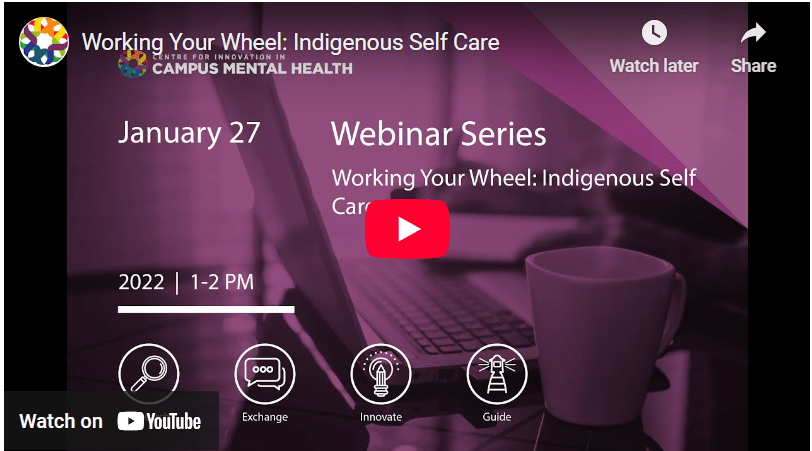
    • Cambrian College: “Working Your Wheel: Indigenous Self Care”: This video presents an Indigenous model of self-care, contrasting it with mainstream versions and showing how it can be integrated into student support.
    • Sacramento Native American Health Center: “Native Ways To Wellness Ep. 2”: This video highlights Lucero Valle (Zapotec, Yaqui, Carrizo, Isleta Pueblo), who shares her own “Native Way To Wellness”.
    • Wabanaki Public Health & Wellness: “Healing Together”: This video explores how the Wabanaki people have drawn on tradition and community to respond to challenges. 
    • Native Women in Wellness: Ancestral Voices in Today’s World | W+G Talks:The practices of Indigenous communities have been appropriated by the wellness community for years, with little to no acknowledgment of their cultural roots. Sit down with five powerful Indigenous women working to change and reclaim well-being as a birthright, while also bridging the gap of knowledge for all by educating, advocating, and continuing ancestral traditions in today’s world.

  • Resources for First Nations People

    Resources for First Nations People

    Here’s a list of resources covering education, health, culture, family support, and employment for First Nations individuals and communities.


    🎓 Education & Scholarships

    • Indspire
      • Scholarships, bursaries, and mentorship for First Nations students in Canada.
      • 🔗 Indspire
    • First Nations Education Steering Committee (FNESC)
      • Educational programs, resources, and advocacy for First Nations students.
      • 🔗 FNESC
    • Assembly of First Nations (AFN) – Education
      • Information on funding, post-secondary support, and language programs.
      • 🔗 AFN Education
    • First Nations University of Canada
      • Indigenous-focused higher education and cultural programs.
      • 🔗 FN University

    🌿 Health & Wellness

    • First Nations Health Authority (FNHA)
      • Health services, mental health support, and wellness programs for First Nations communities in British Columbia.
      • 🔗 FNHA
    • National Native Alcohol & Drug Abuse Program (NNADAP)
      • Addiction treatment and prevention services for First Nations people.
      • 🔗 NNADAP
    • Hope for Wellness Help Line
      • 24/7 mental health crisis support for First Nations people.
      • 📞 1-855-242-3310
      • 🔗 Hope for Wellness
    • Native Women’s Association of Canada (NWAC) – Mental Health Resources
      • Support for First Nations women and families.
      • 🔗 NWAC

    📖 Cultural & Language Preservation

    • First Peoples’ Cultural Council (FPCC)
      • Language revitalization and arts programs.
      • 🔗 FPCC
    • Canadian Museum of History – Indigenous Stories
    • First Nations Languages Program – University of British Columbia (UBC)
      • Courses and resources for learning Indigenous languages.
      • 🔗 UBC Languages

    💡 Child & Family Support

    • First Nations Child & Family Caring Society
      • Advocacy and programs for First Nations children and families.
      • 🔗 Caring Society
    • Jordan’s Principle
      • Ensures First Nations children receive proper health and social services.
      • 🔗 Jordan’s Principle
    • Boys & Girls Clubs of Canada – Indigenous Youth Programs

    💼 Employment & Business Support

    • First Nations Development Institute
      • Business, economic, and community development programs.
      • 🔗 FNDI
    • First Nations Finance Authority (FNFA)
      • Financial services and support for First Nations businesses and communities.
      • 🔗 FNFA
    • Indigenous Works (formerly Aboriginal Human Resource Council)
    • Métis and First Nations Youth Employment Program

    🏡 Legal & Community Services

    • Assembly of First Nations (AFN)
      • Political advocacy and support for First Nations rights.
      • 🔗 AFN
    • Native Women’s Association of Canada (NWAC) – Legal & Policy Support
    • Canadian Roots Exchange (CRE)
      • Youth-led reconciliation programs and leadership development.
      • 🔗 CRE

  • Resources for Indigenous South Americans

    Resources for Indigenous South Americans

    Here’s a list of education, health, cultural, legal, and community support resources available for Indigenous peoples across South America.


    🎓 Education & Scholarships

    • Fundación Nacional del Indígena (FUNAI) – Brazil
      • Supports Indigenous education and cultural preservation in Brazil.
      • 🔗 FUNAI
    • UNESCO Indigenous Education Programs – Latin America
      • Initiatives to support Indigenous language and education rights.
      • 🔗 UNESCO
    • Abya Yala University Press – Ecuador
      • Publishes Indigenous knowledge and supports academic research.
      • 🔗 Abya Yala
    • Intercultural Indigenous Universities – Various Countries

    🌿 Health & Wellness

    • Pan American Health Organization (PAHO) – Indigenous Health Programs
    • Red de Salud Indígena de América Latina (Indigenous Health Network of Latin America)
    • FUNASA – Brazil’s Indigenous Health Foundation
      • Provides healthcare services to Indigenous communities in Brazil.
      • 🔗 FUNASA
    • Asociación Interétnica de Desarrollo de la Selva Peruana (AIDESEP) – Peru
      • Advocates for Indigenous health rights in the Amazon region.
      • 🔗 AIDESEP

    📖 Cultural & Language Preservation

    • Centro de Estudios Regionales Andinos “Bartolomé de Las Casas” (CBC) – Peru
      • Supports Indigenous knowledge, culture, and history.
      • 🔗 CBC
    • Instituto Socioambiental (ISA) – Brazil
      • Works on cultural and environmental protection for Indigenous peoples.
      • 🔗 ISA
    • UNESCO Endangered Languages Programme – South America
    • Casa de la Cultura Ecuatoriana – Ecuador

    💡 Child & Family Support


    💼 Employment & Economic Development

    • Fondo Indígena – Latin America
      • Provides financial support for Indigenous economic and social development projects.
      • 🔗 Fondo Indígena
    • Confederación de Nacionalidades Indígenas del Ecuador (CONAIE)
      • Advocates for economic and social rights for Indigenous Ecuadorians.
      • 🔗 CONAIE
    • Red de Mujeres Indígenas sobre Biodiversidad de América Latina (RMIB-LAC)
      • Supports Indigenous women’s economic empowerment and environmental conservation.
      • 🔗 RMIB-LAC
    • Amazon Conservation Team (ACT)
      • Works with Indigenous communities to develop sustainable economies in the Amazon.
      • 🔗 ACT

    🏡 Legal & Land Rights Advocacy

    • Coordinadora de las Organizaciones Indígenas de la Cuenca Amazónica (COICA)
      • Regional organization defending Indigenous land rights in the Amazon.
      • 🔗 COICA
    • Observatorio de Derechos Humanos de Pueblos Indígenas
      • Monitors and reports on Indigenous rights violations in South America.
      • 🔗 ODHPI
    • Survival International – Indigenous Rights Advocacy
    • Fundación Pachamama – Ecuador

    Resources for Indigenous South Americans Living in the USA

    The following is a list of legal, health, education, cultural, and community support resources available to Indigenous South Americans residing in the United States.


    🏛 Legal & Immigration Support

    • American Immigration Lawyers Association (AILA)
      • Offers legal resources and assistance for immigrants, including Indigenous South Americans.
      • 🔗 AILA
    • Immigrant Legal Resource Center (ILRC)
      • Provides legal guidance on visas, asylum, and immigrant rights.
      • 🔗 ILRC
    • International Mayan League
      • Advocates for Indigenous migrants from South and Central America, offering legal and community support.
      • 🔗 Mayan League
    • RAICES (Refugee and Immigrant Center for Education and Legal Services)
      • Provides legal assistance to immigrant families and asylum seekers.
      • 🔗 RAICES
    • Alianza Americas
      • Supports Indigenous and Latin American migrants with advocacy and legal resources.
      • 🔗 Alianza Americas

    🌿 Health & Wellness

    • National Council of Urban Indian Health (NCUIH)
      • Offers health programs for Indigenous people, including Indigenous migrants.
      • 🔗 NCUIH
    • Migrant Clinicians Network (MCN)
      • Provides healthcare services for migrant and Indigenous populations in the U.S.
      • 🔗 MCN
    • We Are Here To Stay (WAHTS)
      • Focuses on health and wellness for Indigenous immigrants.
      • 🔗 WAHTS
    • Center for Indigenous Health – Johns Hopkins

    🎓 Education & Scholarships

    • Hispanic Scholarship Fund (HSF)
      • Offers scholarships for students of Hispanic and Indigenous Latin American descent.
      • 🔗 HSF
    • First Nations Development Institute – Scholarships
      • Provides financial aid for Indigenous students, including those from South America.
      • 🔗 FNDI
    • MALDEF (Mexican American Legal Defense and Educational Fund)
      • Offers scholarships and educational resources for Latin American Indigenous students.
      • 🔗 MALDEF
    • TheDream.US
      • Provides scholarships for undocumented Indigenous and Latin American students.
      • 🔗 TheDream.US

    📖 Cultural & Community Support

    • International Indigenous Peoples Movement for Self-Determination & Liberation (IPMSDL)
      • Advocates for Indigenous rights, including Indigenous South Americans in the U.S.
      • 🔗 IPMSDL
    • National Indigenous Women’s Resource Center (NIWRC)
      • Provides support for Indigenous women, including Indigenous Latin Americans.
      • 🔗 NIWRC
    • Indigenous Roots Cultural Arts Center (Minnesota)
      • Promotes Indigenous Latin American and Native American cultural preservation.
      • 🔗 Indigenous Roots
    • South American Indigenous Network (SAIN)
      • A grassroots network supporting Indigenous South Americans in the U.S. (Check local chapters.)

    💼 Employment & Economic Support

    • National Day Laborer Organizing Network (NDLON)
      • Helps Indigenous and immigrant workers with job rights and fair wages.
      • 🔗 NDLON
    • Indigenous Employment Hub (IEH)
      • Provides job training and employment support for Indigenous people, including Indigenous migrants.
      • 🔗 IEH
    • Migrant Justice
      • Advocates for fair wages and workers’ rights for Indigenous and Latin American immigrants.
      • 🔗 Migrant Justice
    • Latino Economic Development Center (LEDC)
      • Offers financial support and job programs for Indigenous Latin Americans in the U.S.
      • 🔗 LEDC

    📢 Advocacy & Indigenous Rights

    • Amazon Watch
      • Supports Indigenous South American communities and their rights in the U.S.
      • 🔗 Amazon Watch
    • Cultural Survival
      • Advocates for Indigenous cultural and human rights, including South American Indigenous groups.
      • 🔗 Cultural Survival
    • Native American Rights Fund (NARF)
      • Provides legal support for Indigenous rights, including Indigenous migrants.
      • 🔗 NARF
    • Maya Ixil USA
      • Supports Maya Indigenous people from Guatemala and other South American Indigenous communities in the U.S.

  • How to Fill Out a Job Application,Create a Resume and Cover Letter (With and Without Experience)

    How to Fill Out a Job Application,Create a Resume and Cover Letter (With and Without Experience)

    Part 1: Filling Out a Job Application

    1. Gather Necessary Information

    Before starting, have the following details ready:

    • Personal Information (Name, Address, Contact Details)
    • Work History (Previous jobs, Company Names, Dates of Employment)
    • Education (Schools Attended, Graduation Dates, Degrees Earned)
    • References (Names, Contact Information, Relationship to You)
    • Skills and Certifications (Relevant to the job you’re applying for)

    2. Follow These Steps

    • Read Instructions Carefully: Ensure you understand all requirements.
    • Fill in All Required Fields: If a question doesn’t apply, write “N/A” instead of leaving it blank.
    • Use Professional Language: Avoid slang and abbreviations.
    • Double-Check for Errors: Spelling mistakes can leave a bad impression.
    • Be Honest: Do not exaggerate your experience or qualifications.

    Part 2: Creating a Resume

    If You Have Experience

    1. Choose a Format

    • Chronological: Lists work experience in order, starting with the most recent.
    • Functional: Focuses on skills and accomplishments rather than work history.
    • Combination: Mixes both chronological and functional formats.

    2. Resume Structure

    1. Contact Information
      • Full Name
      • Phone Number
      • Email Address
      • LinkedIn Profile (if applicable)
    2. Professional Summary
      • A brief 2-3 sentence overview of your experience and key skills.
    3. Work Experience
      • Job Title, Company Name, Location
      • Dates of Employment
      • Bullet points highlighting achievements and responsibilities.
    4. Education
      • Name of School, Degree Earned, Graduation Date
    5. Skills
      • List hard and soft skills relevant to the job.
    6. Certifications & Awards (Optional)
    7. References (Optional or “Available Upon Request”)

    Example: Customer Service Representative | XYZ Retail | 2020 – Present

    • Assisted 50+ customers daily with inquiries and purchases.
    • Trained new employees on store policies and customer service best practices.

    If You Have No Experience

    1. Focus on Skills & Education

    • If you have no work history, emphasize skills, education, volunteer work, internships, and extracurricular activities.

    2. Resume Structure

    1. Contact Information
    2. Objective Statement (Instead of a professional summary)
      • Example: “Motivated high school graduate with strong organizational and communication skills seeking an entry-level position in retail.”
    3. Education
      • Name of School, Degree, Graduation Date
      • Relevant coursework (if applicable)
    4. Skills
      • Computer Skills, Communication, Teamwork, Customer Service
    5. Volunteer Work / Internships / Extracurricular Activities
      • Example: Community Volunteer at Local Food Bank (2023)
    6. References (Optional)

    Example: Volunteer | Local Animal Shelter | 2022-2023

    • Cared for animals and assisted with shelter events.
    • Helped with administrative tasks such as record-keeping.

    Final Tips

    • Keep it to One Page (Especially for entry-level applicants)
    • Use a Professional Font (Arial, Times New Roman, or Calibri, size 10-12)
    • Save as a PDF to maintain formatting
    • Customize Your Resume for each job application
    • Use Action Words (e.g., “Managed,” “Organized,” “Assisted”)

    How to Write a Cover Letter

    A cover letter is your chance to introduce yourself to a potential employer, explain why you’re a great fit for the job, and showcase your enthusiasm. Cover letters are usually optional but its a great chance to standout. If you struggle writing the cover letter, you can use tools such as Chat GPT to write one for you. Follow these steps to write an effective cover letter:


    1. Structure of a Cover Letter

    a. Header (Your Contact Information & Date)

    At the top of your cover letter, include:

    • Your Full Name
    • Your Address (Optional)
    • Your Phone Number
    • Your Email Address
    • The Date

    b. Employer’s Information

    • Hiring Manager’s Name (if known)
    • Company Name
    • Company Address

    c. Greeting/Salutation

    • If you know the hiring manager’s name, use: “Dear [Hiring Manager’s Name],”
    • If you don’t know the name, use: “Dear Hiring Manager,” or “To Whom It May Concern,”

    2. Writing the Body of Your Cover Letter

    a. Opening Paragraph (Grab Attention)

    • State the position you’re applying for.
    • Mention where you found the job listing.
    • Briefly introduce yourself and your excitement about the role.

    Example:
    “I am excited to apply for the [Job Title] position at [Company Name]. With a strong background in [your field/skills], I am eager to contribute my skills to your team. I learned about this opportunity through [mention source] and believe my experience in [relevant skills] makes me a great fit.”

    b. Middle Paragraph(s) (Showcase Your Value)

    • Highlight relevant experiences, achievements, or skills that match the job description.
    • Use specific examples to demonstrate your qualifications.
    • Explain why you’re a good fit for the company.

    Example:
    “In my previous role as [Previous Job Title] at [Company Name], I successfully [mention key achievement]. This experience honed my skills in [mention relevant skill] and allowed me to [impact you had]. I am confident that my ability to [specific skill] aligns well with the goals of [Company Name].”

    c. Closing Paragraph (Call to Action)

    • Reiterate your enthusiasm for the role.
    • Thank the hiring manager for their time.
    • Mention that you are looking forward to an interview.

    Example:
    “I would love the opportunity to further discuss how my skills and experience align with this position. Please feel free to contact me at your convenience. Thank you for your time and consideration—I look forward to the possibility of joining your team!”


    3. Closing & Signature

    • Use a professional closing statement like:
      • Best regards,
      • Sincerely,
      • Thank you,
    • Sign your name (typed or handwritten).

    4. Additional Tips

    ✅ Keep it short and to the point (one page).
    ✅ Customize it for each job by matching keywords from the job description.
    ✅ Use a professional, friendly tone—avoid being too formal or too casual.
    ✅ Proofread for grammar and spelling errors before submitting.
    ✅ Save and send as a PDF to keep formatting intact.

    By following these steps, you can create a strong job application, cover letter and resume, whether you have experience or not. Good luck!

  • How to Start a Business (Online or In-Person) Utilizing Native American Resources & Funding

    How to Start a Business (Online or In-Person) Utilizing Native American Resources & Funding

    Starting a business as a Native American entrepreneur comes with unique opportunities, including access to grants, loans, and business support programs. Follow these steps to establish your business successfully.


    Step 1: Develop a Business Idea and Plan

    a. Identify Your Business Idea

    • What problem does your business solve?
    • Will it be an online business (e-commerce, digital services) or in-person business (retail, consulting, manufacturing)?

    b. Conduct Market Research

    • Who is your target audience?
    • Who are your competitors?
    • What makes your product or service unique?

    c. Write a Business Plan

    A business plan helps secure funding and guides your growth. Include:

    • Executive Summary (Business overview)
    • Market Analysis
    • Products/Services Offered
    • Marketing Strategy
    • Financial Plan & Funding Needs
    • Operational Plan

    Resources:


    Step 2: Register Your Business

    a. Choose a Business Structure

    • Sole Proprietorship – Simple, but personal liability.
    • LLC (Limited Liability Company) – Protects personal assets.
    • Corporation – Best for larger businesses.

    b. Register with Tribal, State, and Federal Agencies

    • If operating on tribal land, check with your tribal government.
    • Register with your state’s Secretary of State Office.
    • Apply for an Employer Identification Number (EIN) from the IRS (www.irs.gov).

    Step 3: Secure Funding & Grants

    a. Native American Business Grants & Loans

    • Indian Loan Guarantee Program (ILGP) – U.S. Department of the Interior
      • Provides loan guarantees to help Native businesses secure bank funding.
      • More Info
    • Native American Business Development Institute (NABDI) Grant
      • Helps tribes and Native entrepreneurs fund feasibility studies for new businesses.
      • More Info
    • First Nations Development Institute Grants
      • Funding for Native-owned businesses and entrepreneurs.
      • More Info
    • Native American Bank
      • A bank dedicated to financing Native-owned businesses.
      • More Info
    • Small Business Administration (SBA) 8(a) Business Development Program
      • Helps minority-owned businesses, including Native Americans, get federal contracts.
      • More Info

    Step 4: Build Your Brand & Online Presence

    a. Create a Business Name & Logo

    • Use Native cultural elements if desired, but ensure authenticity.
    • Use tools like Canva or hire a Native artist.

    b. Build a Website

    • Use Shopify, WordPress, or Wix for e-commerce.
    • For service-based businesses, a simple website with contact details is enough.

    c. Utilize Social Media & Online Marketing

    • Platforms: Facebook, Instagram, TikTok, LinkedIn
    • Join Native business networks like Change Labs or Native Entrepreneurs Facebook groups.

    Step 5: Launch & Grow Your Business

    a. Start Selling or Offering Services

    • Online Business: List products on Etsy, Amazon Handmade, or a personal website.
    • In-Person Business: Partner with local businesses and tribal markets.

    b. Network & Find Mentors

    c. Keep Financial Records & Expand

    • Use QuickBooks or other accounting software.
    • Reinvest profits and seek new funding opportunities.


    Need More Help?

    • Visit the Small Business Administration (SBA) Office of Native American Affairs (www.sba.gov).
    • Contact your local Tribal Economic Development Office.

    Start today, and build a business that honors your heritage and future!

  • Native American Children

    Native American Children


    🎓 Education & Scholarships

    • American Indian College Fund – Early Childhood Education
      • Supports early learning programs for Native children.
      • 🔗 College Fund
    • National Indian Education Association (NIEA)
      • Advocates for better education for Native children.
      • 🔗 NIEA
    • American Indian Science and Engineering Society (AISES) – K-12 Programs
      • STEM education programs and mentorship for Native youth.
      • 🔗 AISES K-12
    • Johnson O’Malley (JOM) Program
      • Provides funding for academic support, tutoring, and cultural programs for Native students.
      • 🔗 JOM Program

    Several programs and organizations that provide school supplies and related support for Native American children:


    🎒 1. Running Strong for American Indian Youth® – StudyStrong Program

    • What They Do: Distribute thousands of backpacks filled with essential school supplies to Native American students across tribal communities.
    • Impact: In 2024, they shipped 9,000 backpacks to students, helping them start the school year prepared and confident.
    • How to Access: Schools and tribal organizations can partner with Running Strong to receive these supplies. (StudyStrong…9000 Backpacks for 9000 Students – Indian Youth, Native American Youth Programs)

    📚 2. Partnership With Native Americans (PWNA) – American Indian Education Fund (AIEF)

    • What They Do: Provide backpacks filled with school supplies to Native students, aiming to alleviate the financial burden on families.
    • Impact: Collaborate with program partners to distribute supplies, ensuring students have the necessary tools for academic success.
    • How to Access: Schools and organizations can apply to become program partners with PWNA. (School Supplies Relieve Stress on Native Families – PWNA)

    🏫 3. Johnson O’Malley (JOM) Program – Cherokee Nation

    • What They Do: Offer educational support, including school supplies, to eligible Native American students enrolled in public schools.
    • Impact: Enhance student achievement through academic and cultural education initiatives.
    • How to Access: Families can contact their local JOM coordinator or the Cherokee Nation Education Services for more information. (Johnson O’Malley Program – Cherokee Nation Education Services)

    🛍️ 4. Kids In Need Foundation (KINF)

    • What They Do: Provide free school supplies to teachers in underserved schools, benefiting students in need.
    • Impact: Through their National Network of Resource Centers, teachers can “shop” for supplies to support their classrooms.
    • How to Access: Teachers can find a local Resource Center through the KINF website. (Programs and Initiatives – Kids In Need Foundation)

    🌟 5. Heart of America – Indigenous Initiatives

    • What They Do: Distribute essential resources, including school supplies and art materials, to Native American students and families.
    • Impact: Supported over 10,000 students and families, enhancing learning environments and opportunities.
    • How to Access: Schools and organizations can partner with Heart of America for resource distribution. (Native American Initiatives – Heart of America)

    🏘️ 6. Local Tribal Education Departments

    • What They Do: Many tribal education departments offer programs that provide school supplies and support to Native American students.
    • How to Access: Families should contact their respective tribal education departments to inquire about available resources.

    Note: Availability of programs and resources may vary by location and eligibility criteria. It’s recommended to reach out directly to the organizations or local tribal education departments for the most current information and application procedures.


    🌿 Health & Wellness

    • We R Native – Youth Health & Wellness
      • Provides health, mental wellness, and cultural identity resources.
      • 🔗 We R Native
    • IHS Early Childhood Health Program
    • StrongHearts Native Helpline
      • Support for families and children facing domestic violence.
      • 📞 1-844-7NATIVE (1-844-762-8483)
      • 🔗 StrongHearts

    📖 Cultural & Language Preservation

    • First Nations Development Institute – Language & Culture Revitalization
      • Supports Native language programs for children.
      • 🔗 First Nations
    • Native Languages of the Americas
      • Offers resources to help children learn Indigenous languages.
      • 🔗 Native Languages
    • National Museum of the American Indian – Kids’ Resources
      • Online learning materials about Native cultures and history.
      • 🔗 NMAI Kids

    💡 Child & Family Support

    • Boys & Girls Club of America – Native Services
    • Center for Native American Youth (CNAY)
      • Leadership programs and support for Native youth.
      • 🔗 CNAY
    • Native Wellness Institute
      • Programs focused on mental health, wellness, and family support.
      • 🔗 Native Wellness

    🚀 Fun & Learning Activities

    • Indigenous STEAM
      • Hands-on science, technology, and cultural learning activities for Native kids.
      • 🔗 Indigenous STEAM
    • PBS Kids – Molly of Denali
      • An educational show with Native storytelling and culture.
      • 🔗 Molly of Denali
    • NASA Indigenous Education Resources

    Here are several enriching summer programs and activities available in 2025 for Native American youth, focusing on cultural education, outdoor adventures, STEM, arts, and leadership development:


    🌿 Cultural & Outdoor Adventure Camps

    • Robert Sundance Summer Camp (Los Angeles, CA)
      Hosted by United American Indian Involvement (UAII), this free camp offers activities like horseback riding, archery, swimming, and cultural events for Native youth aged 5–12. Teens aged 13–18 can participate as Counselors in Training. (Robert Sundance Summer Camp for American Indian)
    • Camp Rise (Portland, OR)
      Organized by the Native American Youth and Family Center (NAYA), Camp Rise is a free program for 2nd–8th graders. Activities include STEAM projects, Indigenous games, archery, hiking, gardening, and cultural arts. (Camp Rise | Native American Youth and Family Center)
    • Camp Tonkawa (Texas)
      This camp explores the traditions of the Tonkawa and other Plains Indian tribes through engaging activities, fostering respect for Native American heritage. (Native American Indian Camp – Camp Tonkawa)

    🧬 STEM & Leadership Programs

    • Summer Youth Practicum (Nationwide)
      Offered by the Native American Fish and Wildlife Society, this program provides high school students (incoming 10th–12th graders) with hands-on experience in natural resource management and Indigenous knowledge. (Summer Youth Practicum – Native American Fish and Wildlife Society)
    • National Native American Youth Initiative (Washington, D.C.)
      Organized by the Association of American Indian Physicians, this program selects AI/AN students aged 16–18 interested in health careers for a week-long experience in Washington, D.C. (National Native American Youth Initiative)
    • IndigeChoice Programs (North Carolina)
      The Lumbee Tribe offers various camps, including Biomedical Camp, Historical Events Camp, and university tours for rising 9th–12th graders, focusing on STEM education and cultural enrichment. (IndigeChoice Programs – Lumbee Tribe of North Carolina)

    🏀 Sports & Cultural Preservation


    🎨 Arts & Cultural Enrichment


    🌱 Additional Resources

    • Association on American Indian Affairs (AAIA)
      AAIA offers funding for summer camps that connect Native youth with cultural experiences while teaching subjects related to physical and emotional well-being. (Association on American Indian Affairs)
    • Seattle Public Schools Native American Education Program (Washington State)
      Provides a comprehensive list of summer camp opportunities for Native students throughout Washington State, including health sciences camps and cultural programs. (Summer Camp Opportunities 2025 – Seattle Public Schools)

    Also consider exploring local tribal organizations, community centers, or educational institutions that may offer or have information on regional programs tailored for Native American youth. Additionally, many national programs offer virtual participation options or travel assistance. Local libraries often offer youth programs and the availability to check out local zoo, aquarium, and other passes for card holders.


  • Job Training Resources

    Job Training Resources

    Native Americans have access to several job training programs, workforce development initiatives, and educational resources to enhance their skills and career opportunities. Here are some key resources:


    Federal & Tribal Workforce Development Programs

    a. Native American Career and Technical Education Program (NACTEP)

    • Provides job training in various trades and technical fields.
    • Administered by the U.S. Department of Education.
    • More Info

    b. Indian and Native American (INA) Employment and Training Program (WIOA Section 166)

    • Offers job training, internships, and employment assistance.
    • Administered by the U.S. Department of Labor.
    • More Info

    c. Tribal Employment Rights Office (TERO) Programs

    • Provides job placement and vocational training for tribal members.
    • Contact your local TERO office for opportunities.
    • More Info

    Trade Schools & Apprenticeships

    a. Native American Apprenticeship Program (through Unions & Trade Schools)

    • Programs in construction, electrical work, plumbing, and other trades.
    • Contact the Native American Contractors Association (NACA) or local unions.
    • More Info

    b. American Indian Science and Engineering Society (AISES) Workforce Development

    • Supports Native Americans pursuing careers in STEM.
    • More Info

    c. Tribal Colleges and Universities (TCUs) – Workforce Training Programs

    • Many TCUs offer workforce certification programs in nursing, IT, business, and trades.
    • Find a TCU

    Online Job Training & Career Resources

    a. Native Edge – NCAIED Job & Business Training

    • Online job training, career coaching, and business development for Native Americans.
    • More Info

    b. Indigenous Peoples in Tech (Natives in Tech)

    • Free coding and IT training programs for Native Americans.
    • More Info

    c. Coursera & Udemy (Free Courses for Native Americans via Tribal Programs)

    • Some tribes offer free access to online job training courses in business, healthcare, and technology.

    Job Placement & Support Services

    a. Bureau of Indian Affairs (BIA) Job Placement & Training Program

    • Provides financial assistance for job training and certification programs.
    • More Info

    b. National Indian Youth Council (NIYC) Workforce Training

    • Offers career services, job readiness workshops, and skill-building programs.
    • More Info

    c. Goodwill Indigenous Career Pathways

    • Provides Native Americans with job training, resume help, and interview prep.
    • More Info

    Entrepreneurship & Business Training

    a. Native American Business Incubators Program

    • Helps Native entrepreneurs develop skills to start and grow businesses.
    • More Info

    b. SBA Office of Native American Affairs

    • Offers business training and support for Native-owned startups.
    • More Info

    c. First Peoples Fund’s Artist Training Programs

    • Supports Native artists with business training and marketing skills.
    • More Info

    Final Tips

    ✅ Contact your tribal employment office for local training opportunities.
    ✅ Check with Tribal Colleges for workforce training programs.
    ✅ Apply for Native-focused apprenticeships and internships in your field of interest.

  • How to Set Goals, Prioritize, and Plan for the Future

    How to Set Goals, Prioritize, and Plan for the Future

    Setting goals, prioritizing, and planning effectively helps create a roadmap for success. Although everyone works differently, following structured approaches and staying committed, you can achieve personal and professional growth. Here are some approaches that can help you shape the life you want and deserve. Start today, stay consistent, and watch your future take shape!

    1. Setting Goals

    Setting goals gives you direction and helps you measure progress. Follow these steps to create effective goals:

    a. Use the SMART Criteria

    Make sure your goals are:

    • Specific – Clearly define what you want to achieve.
    • Measurable – Set criteria to track progress.
    • Achievable – Ensure the goal is realistic.
    • Relevant – Align with your long-term aspirations.
    • Time-bound – Set a deadline for completion.

    Example: Instead of saying “I want to get healthier,” set a SMART goal like “I will exercise for 30 minutes, five times a week, for the next three months.”

    b. Categorize Your Goals

    Break your goals into different life areas:

    • Personal Development (learning new skills, reading more)
    • Career & Education (advancing in your job, getting a degree)
    • Health & Wellness (exercising, eating better)
    • Financial Stability (saving money, paying off debt)
    • Relationships & Social Life (spending more time with family, making new friends)

    2. Prioritizing Goals

    Not all goals are equally important. Prioritization helps you focus on what matters most.

    a. Eisenhower Matrix (Urgent vs. Important)

    Use this method to classify tasks and goals:

    1. Urgent & Important – Do these immediately.
    2. Important but Not Urgent – Schedule these.
    3. Urgent but Not Important – Delegate if possible.
    4. Neither Urgent nor Important – Consider eliminating them.

    b. Rank Goals by Impact

    Ask yourself:

    • Which goals align with my long-term vision?
    • What will create the most positive change in my life?
    • Which goals depend on completing others first?

    Prioritize based on significance rather than ease.


    3. Planning for the Future

    Once goals are set and prioritized, create a clear action plan.

    a. Break Down Goals into Actionable Steps

    Divide big goals into small, manageable tasks. For example:

    • Goal: Save $5,000 in a year.
      • Step 1: Set up an automatic savings plan.
      • Step 2: Reduce unnecessary expenses.
      • Step 3: Increase income through side work.

    b. Use a Planner or Digital Tools

    Track progress using:

    • Calendars & Planners – Google Calendar, bullet journals
    • Task Managers – Trello, Asana, Todoist
    • Habit Trackers – Apps like Habitica, Strides

    c. Review and Adjust Regularly

    • Daily Check-ins: Monitor progress and adjust small tasks.
    • Weekly Reviews: Evaluate priorities and make adjustments.
    • Monthly/Quarterly Reflections: Assess overall progress and modify goals as needed.

    d. Stay Motivated

    • Visualize Success – Picture your goals coming to life.
    • Find Accountability – Share your goals with a mentor or friend.
    • Reward Progress – Celebrate small wins to stay inspired.

  • Resources for Native American Sobriety & Addiction Recovery

    Resources for Native American Sobriety & Addiction Recovery

    Here’s a list of organizations, support groups, treatment centers, and cultural programs focused on helping Native Americans achieve and maintain sobriety.


    🌿 Culturally Focused Recovery Programs

    • White Bison – Wellbriety Movement
      • A Native-run sobriety program that integrates traditional teachings with recovery.
      • Offers Wellbriety Circles, 12-step programs, and community support.
      • 🔗 White Bison
    • National Indian Health Board (NIHB) – Behavioral Health Support
      • Works with tribal communities to provide mental health and substance use support.
      • 🔗 NIHB
    • One Sky Center
      • National resource center for Native health, addiction, and mental wellness.
      • 🔗 One Sky Center
    • Tribal Healing to Wellness Courts
      • Alternative court programs that integrate tribal culture into recovery for those in the legal system.
      • 🔗 Wellness Courts

    🤝 Sobriety Support Groups

    • Native American 12-Step Meetings (Alcoholics Anonymous – AA & Narcotics Anonymous – NA)
      • Many AA and NA groups offer Native-focused support, including talking circles.
      • 🔗 AA
      • 🔗 NA
    • Mending Broken Hearts (White Bison Program)
      • Focuses on healing historical trauma and addressing addiction within Indigenous communities.
      • 🔗 Mending Broken Hearts
    • Celebrate Recovery – Native American Focus
    • Al-Anon & Nar-Anon for Native Families
      • Support groups for Native families of those struggling with addiction.
      • 🔗 Al-Anon

    🏥 Treatment & Rehab Centers

    • Indian Health Service (IHS) – Substance Use Treatment
      • Provides addiction recovery programs through tribal and urban clinics.
      • 🔗 IHS
    • Red Road Recovery Programs
      • Uses Native spiritual traditions, ceremonies, and teachings to aid sobriety.
      • 🔗 Red Road Approach
    • Healing Lodge of the Seven Nations (Washington State)
      • Residential treatment for Native youth struggling with addiction.
      • 🔗 Healing Lodge
    • Anishinaabe Bimaadiziwin Addiction Recovery Center (Minnesota)
      • Native-led recovery center blending modern and traditional healing methods.
      • 🔗 Anishinaabe Recovery
    • Na’nizhoozhi Center, Inc. (New Mexico)
      • Provides detox, inpatient, and outpatient treatment for Indigenous communities.
      • 🔗 Na’nizhoozhi Center
    • Crestview Recovery (Portland, Oregon)
      • Provides mental health, detox, inpatient, and outpatient treatment for Indigenous communities.
      • 🔗Crestview Recovery
    • Northern Illinois Recovery Center

    🔥 Spiritual & Cultural Healing Approaches

    • Sweat Lodge Ceremonies for Recovery
      • Many Native communities offer sweat lodge ceremonies as part of healing and sobriety.
      • Check with local tribes or Native wellness centers.
    • Native American Church (NAC) – Sobriety Support
      • Some chapters of NAC integrate spiritual practices into addiction recovery.
      • 🔗 NAC Info
    • Talking Circles & Elders’ Guidance
      • Many tribal wellness programs offer traditional talking circles for addiction recovery.
      • Check with tribal wellness offices or urban Indian centers.

    💼 Employment & Life After Recovery

    • First Nations Development Institute – Financial & Job Assistance
      • Helps Native Americans rebuild their lives after addiction through job training and support.
      • 🔗 First Nations
    • Tribal Vocational Rehabilitation (TVR) Programs
      • Supports Native individuals recovering from addiction in finding stable employment.
      • 🔗 TVR Resources
    • American Indian College Fund – Scholarships for Those in Recovery
      • Helps Native individuals rebuild through education and career training.
      • 🔗 College Fund

    📢 Need Help Now?

    • SAMHSA’s National Helpline (24/7, Free, Confidential)
      📞 1-800-662-HELP (4357)
      🔗 SAMHSA Help
    • Hope for Wellness Help Line (For Indigenous People in Crisis)
      📞 1-855-242-3310
      🔗 Hope for Wellness