
Category: Resources

  • Elder Resources

    Elder Resources

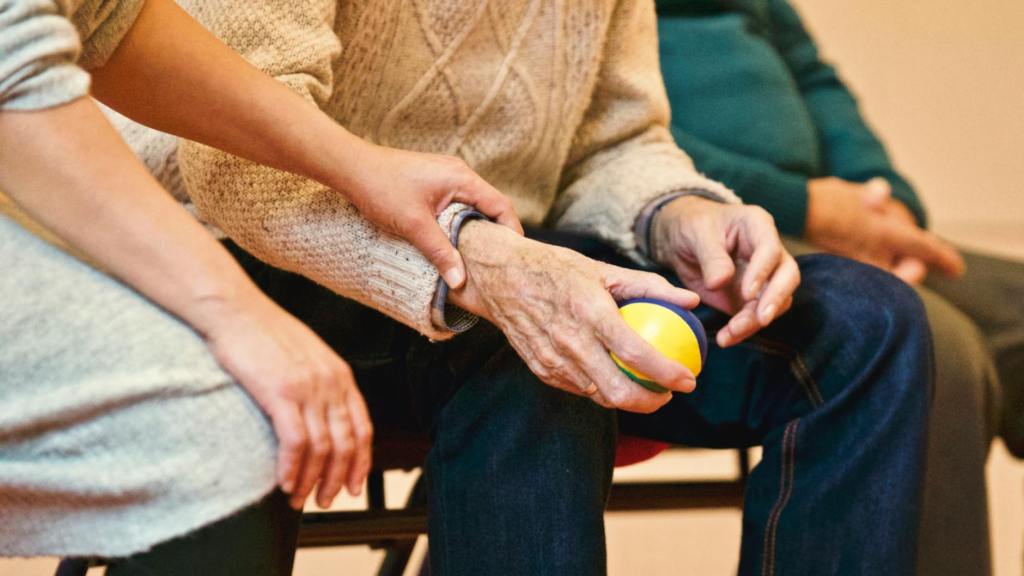
    There are several resources and programs available to support Native American elderly care, including services for healthcare, long-term care, and support for aging in place. Below is a list of resources that can help Native American seniors:

    1. Indian Health Service (IHS) – Elderly Health Services

    • Purpose: IHS provides healthcare services to Native American seniors, focusing on aging-related conditions and preventive care.
    • Eligibility: Available to Native American elders who are enrolled in a federally recognized tribe.
    • Services: Medical care, dental services, mental health counseling, prescription assistance, and health education for older adults.
    • Website: Indian Health Service

    2. Older Americans Act (OAA) – Tribal Programs

    • Purpose: The OAA provides funding for programs and services that assist Native American elders, including nutrition, transportation, and in-home care services.
    • Eligibility: Native American individuals age 60 and older.
    • Services: Senior nutrition programs (e.g., Meals on Wheels), transportation assistance, in-home care services, caregiver support, and social services.
    • Administered by: The Administration for Community Living (ACL) through tribal organizations and service providers.
    • Website: Administration for Community Living

    3. National Indian Council on Aging (NICOA)

    • Purpose: NICOA advocates for the needs of Native American elders, providing resources, education, and support for aging adults.
    • Eligibility: Native American elders and their families.
    • Services: Information on senior benefits, healthcare, caregiving resources, advocacy, and community education programs for Native American older adults.
    • Website: National Indian Council on Aging

    4. Tribal Aging Services and Senior Centers

    • Purpose: Many tribal nations have senior centers or aging services that provide assistance to elderly members in their communities.
    • Eligibility: Native American elders living on or near tribal lands.
    • Services: These centers may offer meals, social activities, healthcare services, and home care assistance to Native American seniors.
    • Contact: Reach out to your local tribe’s social services or senior center for details about specific services.

    5. Native American Long-Term Care (NALTC)

    • Purpose: Some tribes have their own long-term care programs that provide assistance for seniors who need help with activities of daily living, such as bathing, dressing, and meals.
    • Eligibility: Native American elders, typically over age 65, who require long-term care services.
    • Services: In-home care, nursing home care, respite care, and assistance with daily living tasks.
    • Contact: Check with local tribal health offices for available long-term care options.

    6. Medicaid and Medicare for Native American Seniors

    • Purpose: These government programs help cover healthcare costs for seniors, including coverage for hospitalization, doctor visits, prescription drugs, and long-term care services.
    • Eligibility: Native American elders who are eligible for Medicaid and Medicare.
    • Services: Medicaid provides coverage for long-term care and in-home services. Medicare offers healthcare benefits to those aged 65 and older.
    • Website:

    7. Veterans Administration (VA) Services for Native American Veterans

    • Purpose: The VA offers healthcare and benefits for Native American veterans, including those who are elderly.
    • Eligibility: Native American veterans who served in the U.S. military.
    • Services: The VA provides long-term care, home health services, and other support programs specifically for veterans, including geriatric care and support for family caregivers.
    • Website: VA Services for Native American Veterans

    8. Lifeline Program for Native American Seniors

    • Purpose: The Lifeline Program provides discounted phone and internet services to low-income households, including those of Native American seniors.
    • Eligibility: Native American elders who qualify as low-income through federal assistance programs such as SNAP or Medicaid.
    • Services: Discounts on phone and broadband services to help seniors stay connected with healthcare providers, family, and emergency services.
    • Website: Lifeline Program

    9. National Resource Center on Native American Aging (NRCNAA)

    • Purpose: The NRCNAA focuses on issues specific to Native American aging and works to improve the quality of life for Native elders through research and advocacy.
    • Eligibility: Native American seniors and caregivers.
    • Services: The NRCNAA provides resources, research, and training related to aging issues in Native communities, including caregiving, health services, and cultural programs.
    • Website: National Resource Center on Native American Aging

    10. Alzheimer’s Association – Tribal Resources

    • Purpose: The Alzheimer’s Association offers support for Native American elders and families dealing with Alzheimer’s disease and other dementias.
    • Eligibility: Native American families affected by Alzheimer’s or related dementia.
    • Services: Information, caregiver support, and resources specific to Native American populations and Alzheimer’s care.
    • Website: Alzheimer’s Association – Tribal Communities

    11. AARP – Resources for Native American Seniors

    • Purpose: AARP provides resources and advocacy for older adults, including Native American seniors.
    • Eligibility: Native American seniors aged 50 and older.
    • Services: Information on aging issues, financial planning, healthcare, and advocacy for Native American seniors.
    • Website: AARP

    These programs and services can help Native American elders access the care, support, and resources they need to live independently and comfortably in their later years. To access these resources, it’s recommended to contact your local tribal health office, senior center, or social services agency to get more specific information about programs available in your area.


    Financial Assistance for Caregivers

    Consumer-Directed Personal Assistance Programs (CDPAP) allow individuals, including Native Americans, to directly manage their own care by hiring personal assistants (often family members) who provide support with daily activities. These programs are designed to give greater control and flexibility to recipients, allowing them to choose caregivers, manage care schedules, and customize the assistance they receive. The following is a list of resources and programs that can assist Native Americans in accessing consumer-directed personal assistanceThe amount you’ll get paid depends on several factors, including: The amount you’ll get paid depends on several factors, including: 

    • Veteran service record
    • Your state
    • Your plan
    • The care that’s required
    • Financial status
    • Program availability

    Medicaid Consumer-Directed Personal Assistance Services (CDPAS)

    • Purpose: Medicaid offers consumer-directed personal assistance services to eligible individuals, including Native Americans. This program allows participants to hire, train, and manage their own personal assistants.
    • Eligibility: Native American individuals who are Medicaid-eligible and require assistance with daily living activities.
    • Services: Help with activities such as bathing, dressing, meal preparation, housekeeping, and personal care.
    • Administered by: State Medicaid programs, with specific plans for Native Americans living on tribal lands.
    • How to Apply: Contact your state’s Medicaid office or tribal health programs to inquire about consumer-directed services available in your region.
    • Website: Medicaid

    Native American Home and Community-Based Services (HCBS)

    • Purpose: Many tribal nations offer Home and Community-Based Services (HCBS) programs that allow Native American elders or individuals with disabilities to receive personal assistance at home. Some of these services may include consumer-directed options.
    • Eligibility: Native Americans with long-term care needs, particularly seniors or individuals with disabilities.
    • Services: Personal care assistance, help with daily activities, and sometimes support for family caregivers who provide care.
    • Administered by: Tribal health departments or local agencies that partner with the federal government.
    • How to Apply: Contact your tribe’s health or social services department to inquire about consumer-directed programs available on your reservation.
    • Website: You can contact your local tribal health office for more details.

    Older Americans Act (OAA) – Tribal Aging Programs

    • Purpose: The OAA funds programs designed to help Native American elders maintain independence. Some tribal programs funded under the OAA may include consumer-directed personal assistance or caregiving options.
    • Eligibility: Native American seniors, typically age 60 and older.
    • Services: Personal care services, respite care, and assistance with activities of daily living, which may be consumer-directed.
    • Administered by: Tribal Aging Services or Senior Programs.
    • How to Apply: Reach out to the local tribal aging program or senior center for information on available consumer-directed services.
    • Website: Administration for Community Living

    Tribal Medicaid Waivers for Long-Term Care

    • Purpose: Some tribes have Medicaid Waiver Programs that provide long-term care services, including consumer-directed personal assistance for those who need support with daily living activities.
    • Eligibility: Native Americans eligible for Medicaid and requiring long-term care services.
    • Services: The program allows participants to hire personal assistants, control their care schedules, and decide on the specific services they need.
    • Administered by: Tribal Medicaid programs or state Medicaid agencies.
    • How to Apply: Contact your tribal Medicaid office or the tribal health department for more information on the Medicaid Waiver Program and consumer-directed options.
    • Website: Medicaid Waivers

    Veterans Administration (VA) – Veterans Directed Care

    • Purpose: For Native American veterans, the VA offers a Veterans Directed Care program that provides more flexibility in managing home care services, including personal assistance for daily living tasks.
    • Eligibility: Native American veterans who are enrolled in the VA healthcare system.
    • Services: The Veterans Directed Care program allows veterans to manage and direct their own care, including hiring personal assistants to assist with activities of daily living.
    • Administered by: The U.S. Department of Veterans Affairs.
    • How to Apply: Contact your VA care coordinator or tribal veteran service officer for details on accessing Veterans Directed Care.
    • Website: VA Veterans Directed Care

    Native American Long-Term Care (NALTC) Programs

    • Purpose: Some tribes offer long-term care programs with consumer-directed services for Native American seniors and individuals with disabilities, allowing them to hire caregivers and manage their own care.
    • Eligibility: Native American elders and individuals with disabilities requiring long-term care assistance.
    • Services: Personal care, assistance with daily living, and potential access to consumer-directed personal assistants.
    • Administered by: Tribal health departments or specific long-term care programs.
    • How to Apply: Inquire through your tribal social services, healthcare provider, or aging services office to learn about consumer-directed long-term care options.
    • Website: Local tribal government or health department contact.

    National Resource Center on Native American Aging (NRCNAA)

    • Purpose: The NRCNAA supports Native American communities with resources and information related to aging. They may provide advocacy and help connect Native American elders with personal assistance services, including consumer-directed options.
    • Eligibility: Native American seniors and caregivers.
    • Services: Training, resources, and information on personal care options, including consumer-directed services for aging individuals.
    • Website: NRCNAA

    Consumer-Directed Personal Assistance Program (CDPAP) in New York

    • Purpose: In New York, the CDPAP allows participants to hire caregivers, including family members or friends, to assist with daily activities, giving the participant greater control over their care.
    • Eligibility: Native American individuals in New York who are Medicaid-eligible and need personal assistance.
    • Services: Personal assistance for activities such as bathing, dressing, meal preparation, and housekeeping.
    • Administered by: New York State Medicaid.
    • Website: New York State CDPAP

    Indian Health Service (IHS) – Long-Term Care Programs

    • Purpose: Some IHS facilities offer long-term care services that may include consumer-directed personal assistance for elderly Native Americans.
    • Eligibility: Native Americans enrolled in IHS services who need long-term care.
    • Services: In-home care assistance, personal care, and support services may be offered with consumer-directed options in some locations.
    • How to Apply: Reach out to your local IHS facility for more information about consumer-directed care options.
    • Website: IHS Long-Term Care

    These programs and resources help empower Native American individuals to take control of their care by providing them the flexibility to direct their own personal assistance services. To access consumer-directed personal assistance services, individuals can contact their tribal health office, Medicaid office, or senior services agency. You can contact your state’s Medicaid office to learn more about their program and how to enroll. For more information, click here.
  • Bill Assistance Resources

    Bill Assistance Resources

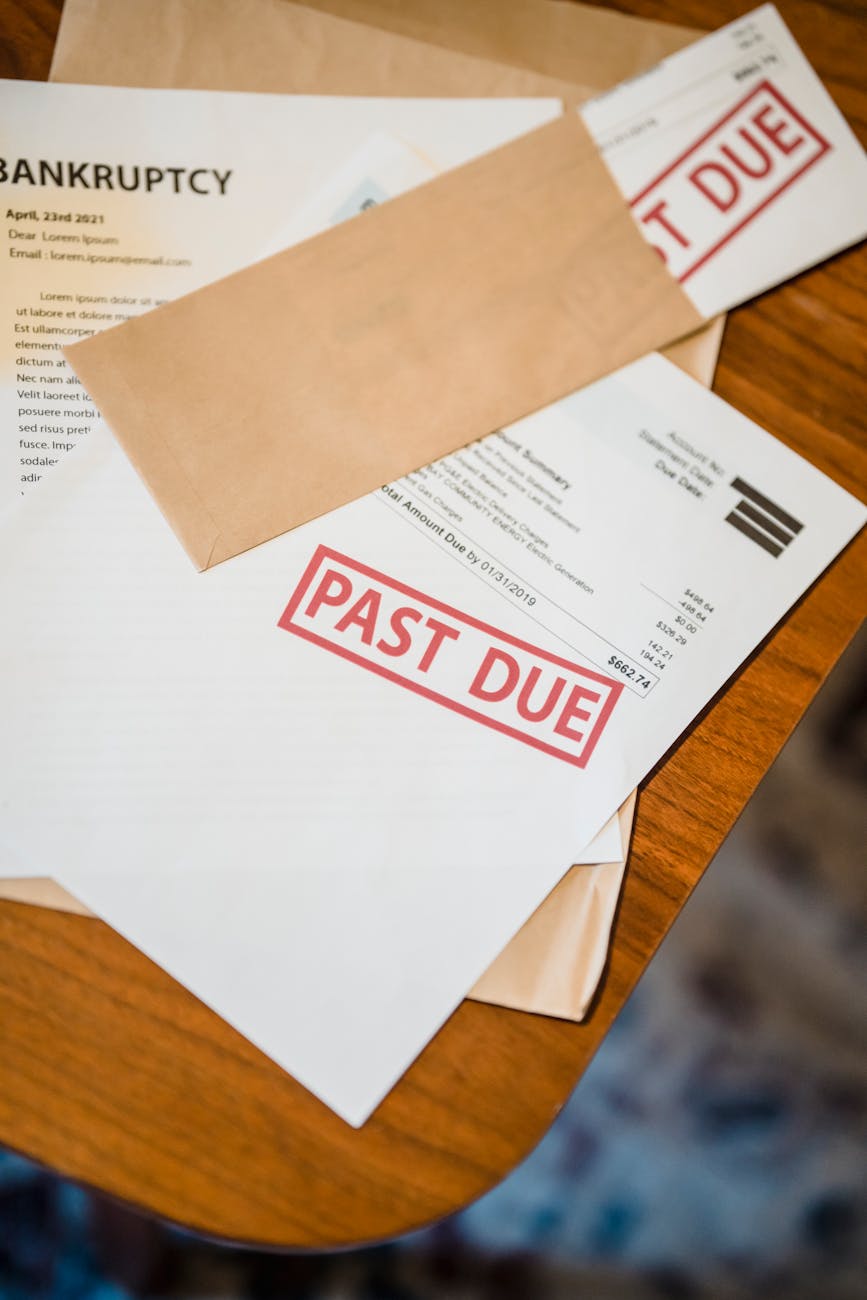
    Several resources are available to help Native Americans pay bills, including assistance for utilities, housing, healthcare, and emergency needs. Below is a list of resources that can provide financial assistance to help cover various living expenses:

    Low-Income Energy Assistance Program (LIHEAP)

    • Purpose: Provides financial assistance to help low-income households pay for heating and cooling costs, as well as energy-related home repairs.
    • Eligibility: Available to Native American households, including those living on tribal lands.
    • Administered by: State and tribal agencies.

    Website

    Indian Health Service (IHS)

    • Purpose: Provides healthcare services to Native Americans, including some programs to help with medical bills and health-related expenses.
    • Eligibility: Native American individuals and families.
    • Services: Covers medical bills, health services, and sometimes prescriptions, depending on the program.

    Website

    Tribal Energy Assistance

    • Purpose: Some tribes have programs that help residents pay utility bills, especially during emergencies or after natural disasters.
    • Eligibility: Native American individuals living on tribal lands may be eligible for assistance.
    • Services: Assistance with energy bills and energy-saving programs.

    Contact local tribal offices for specific programs available in your area.

    Emergency Assistance Programs by Tribes

    • Purpose: Many tribes offer emergency assistance programs that help pay bills such as utilities, food, rent, and healthcare during financial hardships.
    • Eligibility: Assistance is typically available to tribal members who are facing emergencies or temporary financial crises.
    • Services: Varies by tribe but may include utility bill assistance, rent, or emergency housing assistance.

    Contact your local tribe for specific information about their programs.

    Bureau of Indian Affairs (BIA) – Financial Assistance

    • Purpose: Provides grants and financial assistance to Native American families to help cover bills, housing, and other emergency needs.
    • Eligibility: Native American individuals and families in need.
    • Services: Provides general financial assistance for individuals facing difficult situations.

    Website

    The Native American Financial Assistance Program (NAFAP)

    • Purpose: Offers financial aid to Native American families who need help paying bills, especially in emergencies such as medical crises or housing-related issues.
    • Eligibility: Native Americans and their families in need of emergency assistance.

    Website

    Section 8 Housing Assistance (Housing Choice Vouchers)

    • Purpose: Offers rental assistance to low-income families, including Native Americans, to help with housing expenses.
    • Eligibility: Available to Native American families who meet income requirements. Native Americans living on tribal lands may qualify for tribal housing assistance programs.
    • Services: Helps pay a portion of rent directly to landlords.

    Website

    The Emergency Food and Shelter Program (EFSP)

    • Purpose: Provides financial assistance for emergency needs, including food, rent, and utility payments.
    • Eligibility: Native Americans living in low-income households may be eligible for short-term assistance.
    • Services: Emergency food, shelter, and utility assistance.

    Website

    American Indian College Fund (Emergency Financial Aid)

    • Purpose: Provides emergency financial assistance to Native American students attending college, helping to cover tuition, living expenses, and bills.
    • Eligibility: Native American college students who are facing financial hardship.
    • Services: Financial aid for students struggling to pay for basic needs, including housing and utility bills.

    Website

    USDA Rural Development – Utility Assistance

    • Purpose: The USDA Rural Development program offers utility assistance to rural and tribal communities, including Native Americans, who need help paying water, sewer, or electric bills.
    • Eligibility: Native American communities in rural areas or tribal lands.
    • Services: Helps reduce utility bills or provides subsidies for low-income households.

    Website

    Temporary Assistance for Needy Families (TANF)

    • Purpose: Provides cash assistance to low-income families, including Native American families, to help with essential expenses like utilities and food.
    • Eligibility: Native American families who meet income and need-based criteria.
    • Services: Temporary financial assistance to cover utilities, food, housing, and other essential needs.

    Website

    Tribal Emergency Assistance Funds

    • Purpose: Many tribes set up emergency funds for their members to cover utility bills, medical costs, and other emergency expenses during hardships.
    • Eligibility: Typically available to tribal members experiencing emergencies.
    • Services: Financial assistance for urgent needs, such as paying utility bills.

    Contact your local tribe for more information on this assistance.

    Native American Housing Assistance Programs (NAHASDA)

    • Purpose: Provides financial assistance for Native American families who need help with housing costs and repairs, as well as assistance with utility bills.
    • Eligibility: Native American families, especially those in low-income households or living on tribal lands.
    • Services: Rental assistance, housing repair funding, and utility bill assistance.

    Website

    National Indian Health Board (NIHB)

    • Purpose: Provides financial assistance and resources for healthcare needs, including help with medical bills.
    • Eligibility: Native American individuals and families who need support with medical expenses.
    • Services: Assistance programs for medical costs and health-related expenses.

    Website

    The Salvation Army – Utility Assistance

    • Purpose: Offers utility bill assistance to families and individuals in financial distress, including Native Americans.
    • Eligibility: Varies by region, but assistance is typically available to low-income families, including Native Americans.
    • Services: Provides short-term financial assistance for utility bills and other emergency expenses.

    Website

    American Red Cross – Disaster Relief

    • Purpose: Offers financial assistance during emergencies, including covering utility bills for displaced individuals and those affected by natural disasters.
    • Eligibility: Assistance for those affected by disasters, including Native Americans.
    • Services: Emergency financial support for those in need of temporary housing or assistance with utilities.

    Website


    FCC Lifeline Program

    • Purpose: A federal program that provides discounts on phone and internet services for low-income households.
    • Eligibility: Native American households that qualify for federal assistance programs such as SNAP, Medicaid, or Supplemental Security Income (SSI) may be eligible.
    • Services: Provides a monthly discount of up to $9.25 for phone or internet services. For Native Americans living on tribal lands, the discount increases to $34.25 per month.

    Website

    Tribal Lifeline and Link-Up Program

    • Purpose: A special version of the Lifeline program tailored to Native American communities living on tribal lands. This program offers enhanced support to make phone and internet services more affordable.
    • Eligibility: Native American households on tribal lands that meet the income qualifications or participate in a federal assistance program.
    • Services: Provides significant discounts for phone and broadband internet services for households in need.

    Website

    Connectivity and Technology Programs by Tribes

    • Purpose: Many tribal governments have their own programs aimed at improving broadband access in tribal areas and helping low-income Native American families with internet costs.
    • Eligibility: Available to tribal members or residents in certain regions.
    • Services: May include internet subsidies, community Wi-Fi networks, or discounted rates for broadband service in tribal areas.
    • Contact: Contact your local tribal government or community organization for more information on available internet programs in your area.

    Internet Service Providers Offering Discounted Plans for Low-Income Families

    Several internet service providers offer affordable or discounted internet plans for low-income households, including those available to Native Americans:

    • Xfinity Internet Essentials: Offers discounted internet for eligible low-income households, including tribal communities.
    • Cox Communications Connect2Compete: Provides low-cost internet for families with children in grades K-12, which could benefit Native American households.
    • Charter Communications Spectrum Internet Assist: Offers affordable internet service for qualifying low-income households.

    Eligibility: Generally, households receiving government assistance such as Medicaid, SNAP, or school lunch programs can qualify.

    Xfinity Internet Essentials

    Cox Communications Connect2Compete

    Spectrum Internet Assist

    The Emergency Broadband Benefit (EBB) / Affordable Connectivity Program (ACP)

    • Purpose: The EBB, now replaced by the ACP, provides discounts on broadband internet service for eligible low-income households.
    • Eligibility: Low-income Native American households that meet specific requirements (e.g., participation in government assistance programs like SNAP, Medicaid, or tribal programs).
    • Services: Offers a discount of up to $30 per month for internet service, with increased benefits for households on tribal lands (up to $75 per month).

    Website

    Affordable Internet for Education – Tribal Schools

    • Purpose: Some tribal schools provide discounted or subsidized internet access for students and families who need assistance.
    • Eligibility: Native American students and families enrolled in tribal schools may qualify for discounted internet services to support remote learning.
    • Services: Discounted internet access for educational purposes, including broadband for students attending remote school programs.
    • Contact: Check with your tribal school or local educational agency for available services.

    These resources offer various forms of financial assistance, such as bill payment support, housing assistance, emergency funds, internet and\or phone service help and health-related aid. To access these resources, contact your local tribe, regional government, or the respective agencies directly for specific eligibility requirements and application procedures.

  • Financial Support and Business Development

    Financial Support and Business Development

    Native Americans have access to a variety of financial support and business development resources from government agencies, nonprofit organizations, and tribal programs. Here are some key resources:

    U.S. Small Business Administration (SBA)

    • 8(a) Business Development Program: Offers assistance for small businesses owned by economically and socially disadvantaged individuals, including Native Americans.
    • SBA Microloan Program: Provides loans of up to $50,000 for small businesses, which can be used by Native American entrepreneurs.
    • Native American Affairs Office: Provides resources and guides for Native American entrepreneurs.

    Website

    Indian Health Service (IHS)

    • Though primarily focused on health, IHS also provides grants and funding opportunities for businesses related to health and wellness.

    Website

    Native American Business Development Institute (NABDI)

    • Provides funding, support, and business development resources specifically tailored for Native American-owned businesses.
    • They offer feasibility studies and business consulting services to help tribes and businesses grow.

    Website

    The National Center for American Indian Enterprise Development (NCAIED)

    • Native Edge Institute: Offers business courses, resources, and programs for Native entrepreneurs.
    • Native American Business Directory: A resource for Native-owned businesses.
    • 8(a) and HUBZone Certification Programs: Assists Native-owned businesses in securing government contracts.

    Website

    Office of Indian Economic Development (OIED)

    • This office within the U.S. Department of the Interior supports Native American tribes and businesses in economic development projects, including grants and funding opportunities.

    Website

    First Nations Development Institute

    • Provides grants and funding for Native American tribes and organizations to promote economic growth and entrepreneurship.

    Website

    Tribal Business Services (TBS)

    • A range of services and support for business startups, including guidance for securing loans and grants.

    The Economic Development Administration (EDA)

    • Provides grants and programs to support economic development in Native communities, especially in areas of infrastructure and innovation.

    Website

    SBA Community Advantage Loans

    • Offers loans up to $250,000 for Native American businesses in underserved areas, providing easier access to capital for entrepreneurs.

    American Indian Chamber of Commerce

    • Supports Native American businesses through networking, advocacy, and providing information on business development.

    Website

    Native American Business Incubator (NABI)

    • Provides mentorship, access to capital, and resources for Native American entrepreneurs to develop and grow their businesses.

    Website

    Grants.gov

    • A comprehensive portal where Native American tribes and businesses can find various federal grant opportunities that support business development, infrastructure, and more.

    Website

    Regional Development Agencies

    • Many states and regions have development agencies that offer programs specifically for Native American communities. Examples include the Native American Business Assistance Program (NABAP) and regional economic development initiatives.

    Tribal Colleges and Universities (TCUs)

    • Many TCUs offer programs to support business development through educational grants, mentorships, and funding opportunities.
    • Examples include the American Indian College Fund.

    The Bureau of Indian Affairs (BIA)

    • Provides programs and funding to Native American businesses, focusing on land management, economic development, and other initiatives.

    Website

    These resources offer a combination of financial aid, educational support, networking, and mentorship to help Native American entrepreneurs start and grow their businesses.

  • Housing Resources

    Housing Resources

    Here are several housing resources and programs available to support Native American individuals and families:

    Federal Programs

    1. Indian Housing Block Grant (IHBG) Program
      Administered by the U.S. Department of Housing and Urban Development (HUD), this program provides grants to Tribally Designated Housing Entities (TDHEs) for affordable housing activities.
    2. Section 184 Indian Home Loan Guarantee Program
      Offers home loan guarantees to Native American borrowers, facilitating access to private mortgage financing.
    3. Bureau of Indian Affairs (BIA) Housing Improvement Program (HIP)
      A grant program addressing housing needs through repair, renovation, or new housing construction for eligible individuals who cannot obtain assistance from other sources.
    4. Native American Housing Assistance and Self-Determination Act (NAHASDA)
    1. Housing Assistance Council
      • Website: www.ruralhome.org
      • Provides funding and technical assistance for housing projects in rural Native communities.

    Tribal Housing Authorities

    Tribal Housing Authorities (THAs) and Tribally Designated Housing Entities (TDHEs) manage housing programs within their respective communities. Contacting your local THA or TDHE can provide information on specific housing assistance available in your area. A directory of these entities is available through HUD’s Office of Native American Programs.

    Additional Resources

    • National American Indian Housing Council (NAIHC)
      Provides training and technical assistance to Native housing entities and maintains a resource hub for homeowners and renters seeking assistance.
    • Native American Housing Opportunities (NAHO) Fund
      Offers grants to support housing initiatives for tribes and TDHEs, enhancing affordable housing availability.

    For personalized assistance, consider reaching out to local housing authorities or community organizations that may have programs tailored to your needs.

  • Woman’s Health Resources

    Woman’s Health Resources

    Native American women face unique health challenges, including access to care, health disparities, and the impact of historical trauma. There are numerous resources and organizations dedicated to supporting the health and wellness of Native American women. Below is a list of key resources for Native American women’s health:

    Indian Health Service (IHS)

    • Website: https://www.ihs.gov/
    • Description: The Indian Health Service provides a wide range of health services to Native American communities, including women’s health care. IHS offers services in areas such as prenatal care, reproductive health, cancer screenings, mental health, and substance use prevention.

    Native American Women’s Health Education Resource Center (NAWHERC)

    • Website: https://nawherc.org/
    • Description: NAWHERC focuses on improving the health of Native women through education, empowerment, and support. They provide resources on reproductive health, mental health, substance abuse, and overall wellness, offering workshops and materials that are culturally appropriate.

    National Indigenous Women’s Resource Center (NIWRC)

    • Website: https://www.niwrc.org/
    • Description: NIWRC works to end violence against Native women and advocates for resources and support for survivors. Their services include resources related to physical and mental health, reproductive rights, and violence prevention.

    American Indian Cancer Foundation (AICAF)

    • Website: https://www.aicaf.org/
    • Description: The AICAF focuses on cancer prevention and care for Native Americans, including Native women. They offer educational programs on cancer risk factors, screenings, and wellness practices, with a focus on culturally appropriate services.

    The National Native American Women’s Health Initiative (AI/AN WHI)

    • Website: https://www.samhsa.gov/tribal-affairs
    • Description: This initiative, led by SAMHSA, provides resources to address the mental health and substance use issues facing Native American women. They promote wellness and access to behavioral health services with a focus on culturally informed practices.

    Women of the Cloud Forest: Native American Women’s Health and Wellness Network

    • Website: https://www.nativeamericanhealth.org/
    • Description: This network provides health and wellness support for Native American women, focusing on mental health, wellness, nutrition, and physical health. They offer resources for stress management, self-care, and culturally appropriate therapies.

    National Native American Women’s Health Education Resource Center

    • Website: https://www.nativeamericanhealth.org/
    • Description: This organization focuses on improving the health of Native American women through health education, advocacy, and empowerment. They provide resources on reproductive health, cancer prevention, and substance use disorders, as well as promoting health and wellness among Native women.

    The Native American Women’s Health Project

    • Website: https://www.tribalhealth.org/
    • Description: This organization provides information and resources focused on improving the health and wellness of Native American women. They offer programs addressing physical and mental health, maternal health, and social well-being, all with a cultural focus.

    Mending the Sacred Hoop

    • Website: https://www.mshoop.org/
    • Description: This nonprofit organization works to end violence against Native women and provides healing services to those impacted. They offer resources on trauma recovery, mental health, and culturally appropriate care for survivors of violence.

    Native American Breast Cancer Coalition (NABCC)

    • Website: https://www.nabcc.org/
    • Description: The NABCC focuses on raising awareness of breast cancer within Native communities, offering support, education, and resources for Native American women dealing with breast cancer, as well as promoting early detection and prevention.

    The Native American Wellness Institute (NAWI)

    • Website: https://www.naihc.net/
    • Description: The NAWI offers programs that support physical, mental, and spiritual health in Native communities, with an emphasis on empowering Native women. They provide wellness programs, education, and information on a variety of health topics.

    Native Hope

    • Website: https://www.nativehope.org/
    • Description: Native Hope provides support and resources for Native American women who are dealing with trauma, mental health challenges, and substance abuse. Their focus is on healing, resilience, and well-being, with an emphasis on cultural healing practices.

    The American Indian Cancer Foundation (AICAF)

    • Website: https://www.aicaf.org/
    • Description: AICAF offers health services focused on cancer prevention and support for Native women. They focus on early detection, education, and cancer care that aligns with Native cultural practices and beliefs.

    National Coalition Against Domestic Violence (NCADV) – Tribal Programs

    • Website: https://ncadv.org/
    • Description: NCADV works to end domestic violence, including providing resources and programs for Native American women facing intimate partner violence. Their programs support mental health, counseling, and safety for survivors.

    The American Indian/Alaska Native Women’s Health Initiative (AI/AN WHI)

    • Website: https://www.samhsa.gov/tribal-affairs
    • Description: This initiative, led by SAMHSA, provides resources to address behavioral health and wellness issues, including mental health and substance use challenges. They support Native American women’s health, well-being, and recovery in a culturally sensitive manner.

    These organizations offer vital health resources and services designed to meet the unique needs of Native American women. Whether focusing on physical health, mental wellness, reproductive health, cancer prevention, or violence prevention, these resources ensure that Native American women receive culturally relevant and comprehensive care. Accessing these organizations can help Native women improve their health and well-being, both individually and as part of their communities.

  • Mental Health Resources

    Mental Health Resources

    If you are in a crisis please call 911. Thank you for seeking help.

    Native Americans face unique mental health challenges, including the impacts of historical trauma, isolation, and barriers to access, but there are several mental health resources available to support us. Below is a list of important organizations and services that provide mental health resources specifically for Native American communities:

    Indian Health Service (IHS)

    • Website: https://www.ihs.gov/
    • Description: The Indian Health Service (IHS) is a federal agency that provides health care services to Native Americans, including mental health services. IHS offers counseling, crisis intervention, and treatment programs at healthcare facilities across the U.S., particularly in rural and reservation areas.

    National Indian Health Board (NIHB)

    • Website: https://www.nihb.org/
    • Description: The NIHB advocates for the health and well-being of American Indians and Alaska Natives. They provide resources and advocacy around mental health, offering support for tribal communities to address mental health needs and wellness.

    The Native American Mental Health Alliance (NAMHA)

    • Website: https://namha.org/
    • Description: NAMHA works to address the mental health needs of Native Americans by improving access to services, developing culturally appropriate mental health care, and providing training for health professionals. They also advocate for policy changes to improve mental health outcomes for Native communities.

    StrongHearts Native Helpline

    • Website: https://strongheartshelpline.org/
    • Phone: 1-844-7NATIVE (1-844-762-8483)
    • Description: StrongHearts is a confidential, anonymous helpline for Native Americans affected by domestic violence and dating violence. It offers emotional support, resources, and safety planning. It’s a culturally tailored service designed to support Native people in need of assistance for domestic abuse and related trauma.

    National Native American Suicide Prevention Technical Assistance Center (NNASP-TAC)

    The Trevor Project – Native American Resources

    • Website: https://www.thetrevorproject.org/
    • Description: While The Trevor Project is generally focused on LGBTQ+ youth, it also offers dedicated resources for Native American youth, particularly those struggling with mental health or suicidal thoughts. They provide a helpline, text and chat services, and other resources specifically for LGBTQ+ Native youth.

    Crisis Text Line

    • Website: https://www.crisistextline.org/
    • Text: Text HOME to 741741
    • Description: This service provides free, 24/7 text-based support for individuals in crisis. While not specific to Native Americans, it is widely accessible and serves a broad range of mental health concerns, including depression, anxiety, and trauma.

    American Indian/Alaska Native Resource Center (AI/ANRC)

    Indian Country Child Trauma Center (ICCTC)

    • Website: https://oklahoma.edu/icctc
    • Description: The ICCTC provides training, tools, and resources on child trauma and mental health for Native American communities. They focus on the trauma experiences of Native children and families, offering culturally responsive programs and services.

    The Substance Abuse and Mental Health Services Administration (SAMHSA) – American Indian and Alaska Native Programs

    • Website: https://www.samhsa.gov/tribal-affairs
    • Description: SAMHSA provides funding, resources, and technical assistance for tribes to improve behavioral health services in their communities. They focus on substance use, mental health, and wellness programs tailored for Native American populations.

    Native American Wellness Institute (NAWI)

    • Website: https://www.naihc.net/
    • Description: The Native American Wellness Institute focuses on building healthy communities through culturally relevant programs that support mental, emotional, and physical wellness. They provide resources for both individuals and tribes to promote mental health and overall well-being.

    Native Hope

    • Website: https://www.nativehope.org/
    • Description: Native Hope provides mental health resources to Native American communities, with an emphasis on supporting those dealing with grief, trauma, and emotional distress. Their programs provide culturally relevant support to improve emotional resilience.

    We R Native

    • We R Native
    • Website: www.wernative.org
    • Description: Provides mental health resources, cultural information, and support for Native youth.

    Native American Counseling, Inc.

    • Website: https://www.nativeamerican-counseling.org/
    • Description: This organization provides mental health counseling and therapy services for Native Americans, with a focus on addressing trauma, grief, substance abuse, and general emotional health. They offer both in-person and remote counseling options, with therapists who understand the unique experiences of Native individuals.

    The Native American Healing Center

    • Website: https://www.nativeamericanhealingcenter.org/
    • Description: This center offers a variety of healing services, including therapy and counseling, for Native American individuals. The center provides culturally relevant therapy techniques that integrate traditional healing practices with modern therapeutic methods.

    The Red Circle Project – National Native American AIDS Prevention Center (NNAAPC)

    • Website: https://www.nnaapc.org/redcircle
    • Description: The Red Circle Project provides mental health services, including therapy, for Native American individuals who may be affected by HIV, substance use, and mental health disorders. They work to integrate cultural healing practices into therapy and support individuals in managing their mental health in the context of their culture.

    Telehealth Counseling Services for Native Americans

    • Various Providers: Many therapists and counselors offer telehealth services, which are especially beneficial for those in rural or remote Native American communities. Telehealth can be a valuable resource for therapy, allowing individuals to receive counseling from culturally competent therapists without the need to travel long distances.

    Sage Counseling Services

    • Website: https://www.sagecounselingservices.com/
    • Description: Sage Counseling Services provides therapy and counseling to Native Americans, particularly focusing on the effects of historical trauma, addiction, and community-based mental health challenges. Their therapists work with Native individuals and families to create a healing plan that is culturally informed and accessible.

    These resources represent a variety of services for mental health support, suicide prevention, and overall wellness that are tailored specifically for Native American communities. If you or someone you know needs help, reaching out to these organizations can provide access to confidential counseling, support services, and community resources designed to address the unique needs of Native peoples.

  • Healthcare Resources

    Healthcare Resources

    Indian Health Service (IHS)

    • Website: www.ihs.gov
    • Provides comprehensive health services for Native Americans and Alaska Natives.

    Urban Indian Health Institute

    • Website: www.uihi.org
    • Focuses on health research and services for Native Americans living in urban areas.

    National Indian Health Board (NIHB)

    • Website: www.nihb.org
    • Advocates for healthcare improvements and provides health policy support.

    Federal and State Programs
    Medicaid and Children’s Health Insurance Program (CHIP)
    Overview: American Indians and Alaska Natives (AI/ANs) can access health coverage through Medicaid and CHIP, which offer free or low-cost health coverage. These programs provide a range of services, including doctor visits, hospital care, and prescriptions.
    Special Provisions: AI/ANs may have certain protections and benefits, such as the ability to apply for enrollment at any time and the option to receive services from Indian Health Service (IHS) providers.
    More InformationHealthCare.gov – American Indians and Alaska Natives

    Centers for Medicare & Medicaid Services (CMS) Tribal Affairs
    Overview: CMS provides outreach and education resources tailored for AI/AN communities to enhance understanding of health coverage options and benefits.
    Resources: Offers materials to support Indian health care providers and educate AI/AN individuals about their health coverage rights and options.
    More InformationCMS Outreach and Education Resources

    Regional Health Consortia
    Alaska Native Tribal Health Consortium (ANTHC)

    Overview: ANTHC provides comprehensive health services to Alaska Natives, including hospital care, construction of water and sanitation facilities, and health education.
    Services: Operates the Alaska Native Medical Center and offers programs in community health, environmental health, and research.
    More InformationANTHC

    Advocacy and Policy Organizations
    National Indian Health Board (NIHB)

    Overview: NIHB advocates for improved health care in AI/AN communities and provides policy analysis, training, and technical assistance.
    Resources: Offers information on behavioral health, public health initiatives, and legislative updates affecting Native health.
    More InformationNIHB Behavioral Health Resources

    Legal Support and Health Equity
    Recent Supreme Court Decision on Healthcare Funding

    Overview: In June 2024, the U.S. Supreme Court ruled that the federal government must cover additional overhead costs for tribes managing their own health care programs, reinforcing support for tribal sovereignty and self-determination.
    Implications: This decision ensures that tribes receive adequate funding to manage health services without bearing extra financial burdens.
    More InformationAP News – Supreme Court Sides with Native American Tribes